finance
Baltimore's Economic Indicators and Investment Flows Shape Business Environment
A concise look at key economic signals and capital movements shaping Baltimore’s business environment.
How we reported this
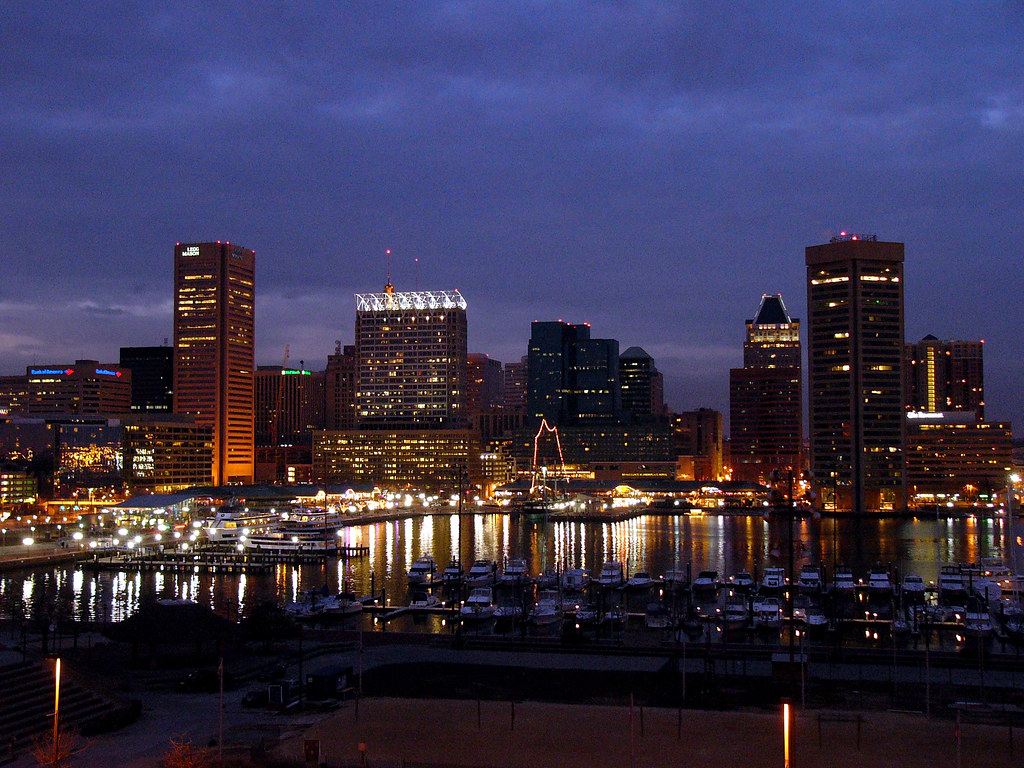
Baltimore’s economic pulse is showing a complex but navigable pattern as local businesses and investors weigh external shocks and internal opportunities. While global headlines capture severe crises in distant regions, Baltimore’s economy is digesting shifts in investment flows and economic markers that will influence its trajectory.
Why Baltimore’s Economy Matters Now
Recent global events-ranging from geopolitical tensions involving the U.S. and Iran to natural disasters in Europe-are causing ripples in investment strategies nationwide. Although Baltimore is far from these crises geographically, its status as a city with a vibrant business scene means investors and companies here respond thoughtfully to market uncertainty. Keeping tabs on economic indicators clarifies where capital is moving and why Baltimore must adapt.
Understanding these investment flows matters for local stakeholders. City officials and business leaders strive to maintain Baltimore’s competitiveness amid a shifting economic landscape. Recognizing whether capital is inflowing or drying up sheds light on which sectors and neighborhoods might see growth or contraction.
Local Dynamics Influencing Economic Indicators
Baltimore harbors diverse industries including shipping centered on the Port of Baltimore, tech startups clustering in Inner Harbor areas, and healthcare hubs along the Jones Falls corridor. These anchors strongly influence economic measures such as employment rates, commercial real estate demand, and private-sector investment patterns.
Although no specific new economic data or investment figures about Baltimore are in the current citable sources, the city’s economy generally reacts to broader U.S. conditions such as interest rate fluctuations and renewed global trade tensions. Companies operating in sectors sensitive to supply chain disruptions or international conflicts may reduce expansion plans or delay capital investments.
In the absence of fresh numeric data here, local observers note a cautious but steady investor interest in Baltimore, which benefits from its port infrastructure and strategic geographic location. Investors are also closely watching regional innovation programs and partnerships aimed at attracting venture capital and federal funding, especially as global uncertainties make stable investment environments attractive.
What Comes Next for Baltimore’s Economic Landscape?
Baltimore’s business community and city planners should focus on clear communication of economic data to maintain investor confidence. Regular updates on employment trends, capital inflows, and commercial activity can guide strategic decisions and policy responses. Emphasizing strengths like port logistics and innovation hubs will help draw diverse investment even in uncertain times.
For local businesses and investors, staying informed about global developments and their ripple effects on Baltimore’s economy is prudent. Diversifying investment portfolios and preparing for potential volatility can safeguard growth prospects. Community stakeholders should prioritize collaboration to ensure that knowledge about economic trends translates into concrete actions supporting Baltimore’s resilience.
This article is general information only and is not personal financial or investment advice. Consider your own circumstances and seek licensed professional advice before making financial decisions.