finance
Baltimore's Commercial Development Slows as Investment Uncertainties Mount in 2026
Rising uncertainties are challenging construction and investment in Baltimore’s commercial property sector this year.
How we reported this
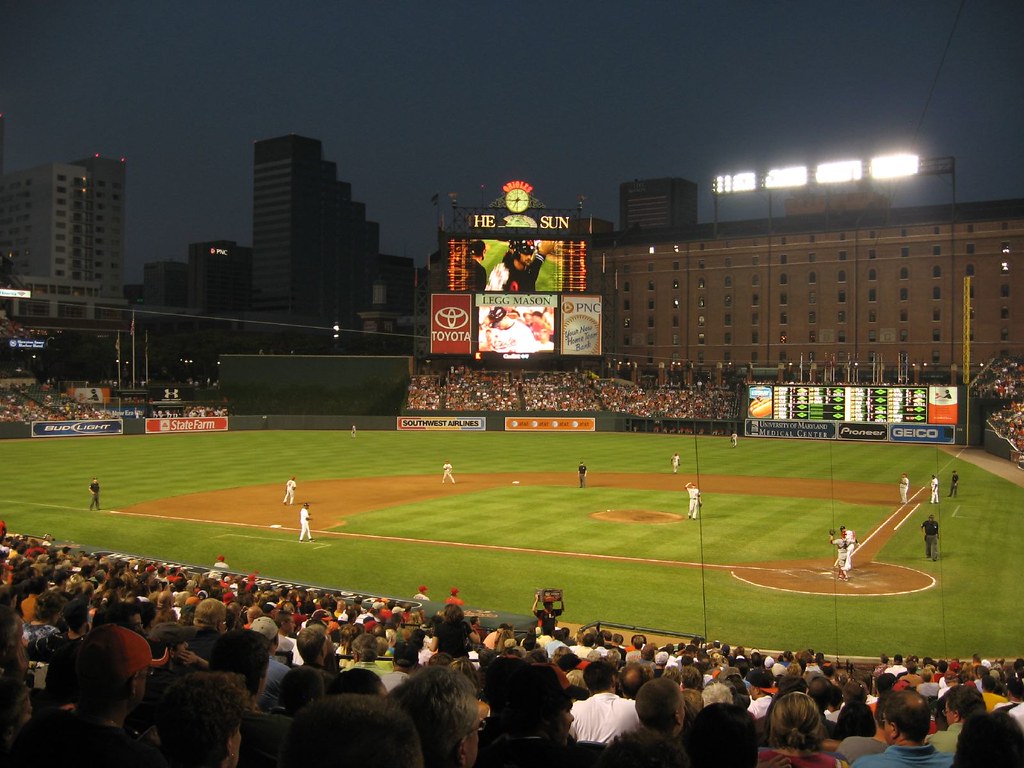
Baltimore’s commercial development sector is encountering significant challenges in 2026 as local developers and investors grapple with a mix of economic uncertainty, supply chain disruptions, and fluctuating market demand.
These obstacles come amid broader national and international tensions that ripple through the global economy, influencing capital flows and material costs. For a city like Baltimore, which has prided itself on a vibrant business scene and ongoing development, these headwinds threaten to slow growth and complicate planning efforts for new commercial projects.
Economic and Material Challenges
Rising costs of raw materials and supply chain delays continue to impact construction schedules and budgets in Baltimore. While specific current regional data is not available, these pressures mirror nationwide trends as suppliers struggle with transport bottlenecks and inflationary cost increases. Developers report that increased lead times for essential construction materials are forcing project timelines to stretch and contingency plans to be adjusted.
These factors have made it more difficult for commercial projects to stay within budget and meet scheduled delivery dates, creating ripple effects in leasing and occupancy rates. Investors and businesses are consequently adopting a more cautious approach toward new commercial real estate commitments, prioritizing adaptive reuse and renovation over ground-up developments in some cases.
Local Impact and Future Outlook
Baltimore’s neighborhoods with active redevelopment, including areas near the Inner Harbor and the emerging Port Covington district, are feeling these pressures as property developers reassess project feasibility amid uncertainty. While previous years saw robust investment supported by city incentives, the current environment demands more conservative financial strategies.
The commercial real estate sector in Baltimore is thus navigating through a period of reckoning. Prospective tenants and investors are increasingly seeking reassurance about economic stability and return on investment, making due diligence more intensive. Meanwhile, city planners and economic development officials are balancing the need to sustain growth with managing risks related to market volatility.
Looking ahead, stakeholders in the commercial development community are advised to maintain flexible project plans, prioritize cost control, and stay attuned to market shifts. Engaging closely with local authorities on planning and incentive programs could provide some relief, yet adapting to the evolving landscape remains essential for managing the sector’s headwinds.
This article is general information only and is not personal financial or investment advice. Consider your own circumstances and seek licensed professional advice before making financial decisions.