finance
Baltimore Small Businesses Face Market Shifts, New Consumer Behavior Patterns
Baltimore entrepreneurs navigate global uncertainties and local challenges as shifting consumer behaviors reshape opportunity and risk.
How we reported this
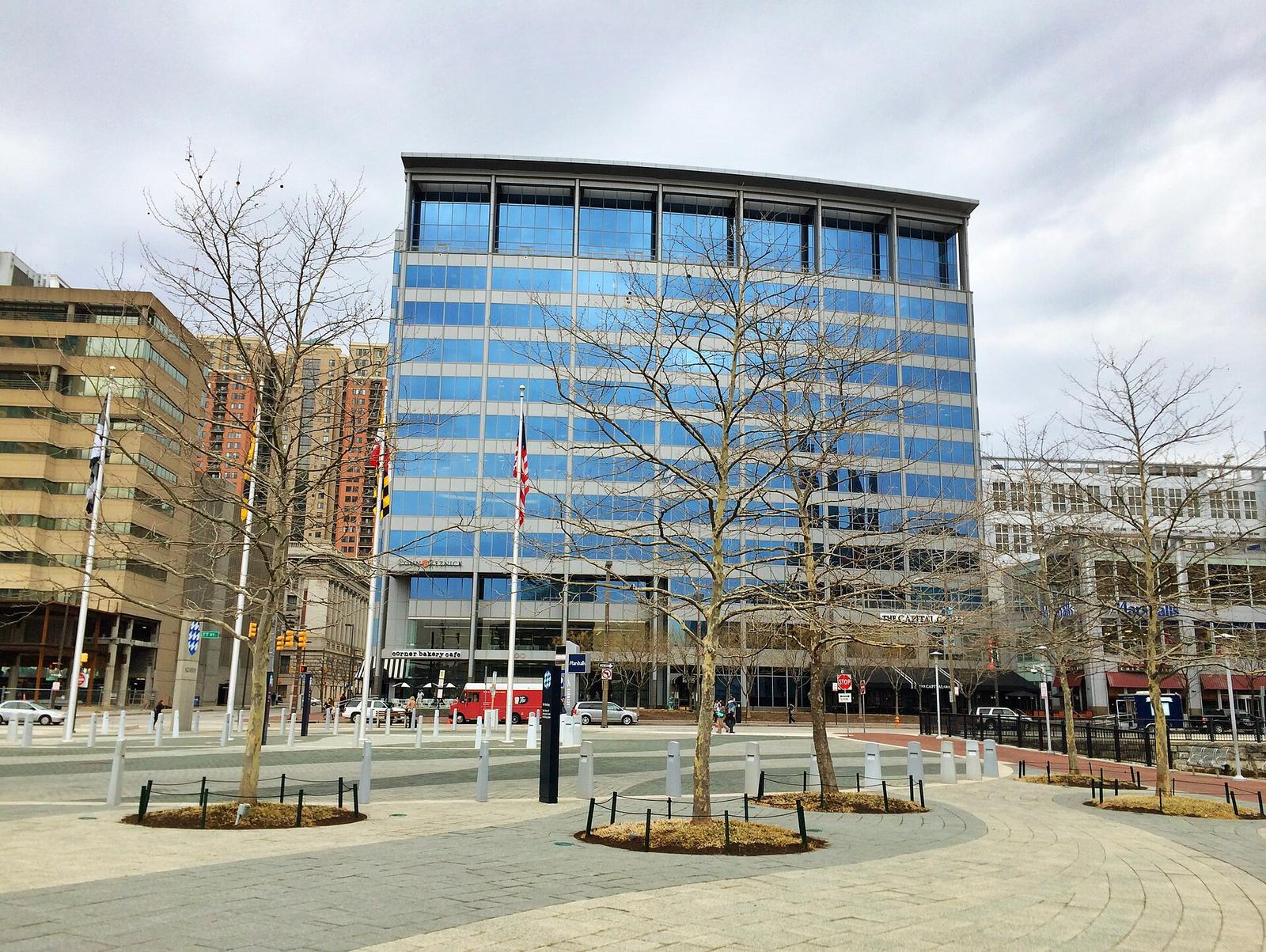
Baltimore’s small business community stands at a crossroads as the ongoing global tensions and economic uncertainties ripple through consumer markets. Business owners here face new challenges in sourcing, staffing, and consumer engagement in a climate shaped by geopolitical friction and shifting cultural narratives.
Why This Matters Now
The significance of these market trends lies in their immediate and tangible impact on Baltimore’s local economy. With the risk of increased inflation and supply chain disruptions related to international conflicts and broader economic shifts, small businesses-which form the backbone of Baltimore’s neighborhoods from Fells Point to Hampden-must rethink operational models to sustain growth.
Amid volatile global conditions, Baltimore’s business ecosystem finds itself squeezed by rising costs alongside changing consumer priorities. For many, the question is how to maintain profitability and relevance when customers become more selective, favor value, and show heightened sensitivity to security and social issues.
What Baltimore Businesses Are Facing
Local entrepreneurs report that challenges include inventory unpredictability and labor market tightness. Stores and venues on Maryland Avenue and in the Inner Harbor area see fluctuations in foot traffic, paralleled by cautious consumer spending. Service-oriented businesses note that customers now scrutinize not only pricing but also brand alignment with social and political values.
Baltimore’s public and private sectors have ramped up resources to support small enterprises through programs focusing on resilience and adaptation-emphasizing digital transformation and diversification. These initiatives seek to buffer against external shocks and bolster connections between businesses and local communities.
Evidence in Market Behavior
Although no specific numeric data from local sources is available in this report, qualitative evidence suggests businesses are recalibrating inventory strategies and adopting flexible pricing to respond to cost fluctuations. Conversations with local chamber representatives and economic development groups indicate an uptick in participation in training and refinement of online presence-a key adaptation as customers shift toward e-commerce and hybrid retail experiences.
Moreover, local business forums reflect a growing emphasis on building trust through transparency and engagement, reflecting the broader societal focus on stability amid geopolitical unease and a desire for community coherence.
Looking Forward: What Businesses Should Do
Baltimore small business owners should prioritize agility in their operations, seeking diverse supplier bases and flexible staffing approaches to handle market variability. Strengthening digital marketing and reinforcing local ties through collaborations can provide competitive edges.
Understanding evolving consumer values remains critical. Businesses can benefit from proactive community outreach, transparent communication about sourcing and pricing, and investments in technology that enhance customer convenience without compromising local character.
As Baltimore’s economic landscape continues to shift, responsiveness and innovation will be key to surviving and thriving against the backdrop of broader global uncertainties.
This article is general information only and is not personal financial or investment advice. Consider your own circumstances and seek licensed professional advice before making financial decisions.