finance
Baltimore’s Real Estate and Commercial Markets: What Consumers and Residents Need to Know
Home prices inch upward in Baltimore city amid longer selling times, while the metro region’s housing shows stronger gains and commercial spaces face rising vacancies.
How we reported this
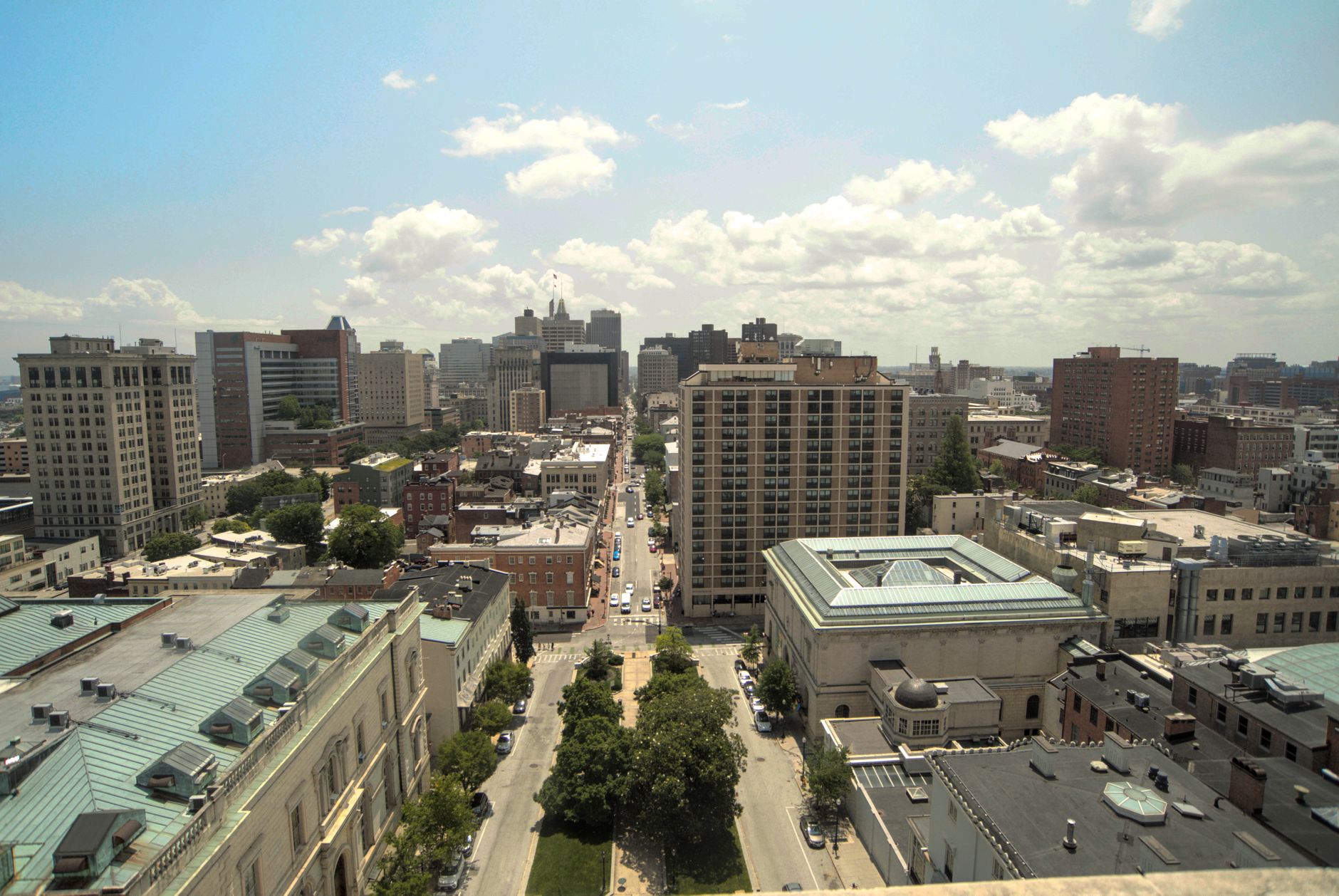
Baltimore’s housing market remains moderately competitive, with the city’s median home sale price reaching $245,000 for the three months ending in May 2026, reflecting a 2.9% rise compared to the previous year, according to Redfin data. However, homes are selling more slowly, averaging 49 days on the market-12 days longer than last year-which signals a cooling from the rapid sales pace seen in prior periods. Overall inventory has increased, yet total homes sold dropped to 1,957 in May from 2,213 a year earlier, illustrating a more cautious buying environment within the city limits. [1]
Understanding these shifts matters because they influence affordability and consumer decisions around buying or selling property. A slower market means potential buyers might gain leverage, while sellers may need to adjust expectations. Beyond the city, the broader Baltimore metro area is experiencing more robust price momentum and tighter inventory, fueling a seller's market that contrasts with city trends.
Housing Trends: City versus Metro
The discrepancy between Baltimore city’s housing market and the greater metro area is notable. While city prices have risen modestly, the metro region has seen median home prices climb between 6.4% and 7.2% year-over-year, reaching roughly $399,000 to $425,000. Inventory there remains tighter with just 2.6 months of supply, creating a marketplace favorable to sellers. This dynamic means that while city residents face a more balanced market, those looking to buy or sell in suburban corridors near the city may encounter fiercer competition and higher price points. [3]
Within Baltimore city, the longer average days on market-49 days compared to 37 days a year ago-reflects more inventory availability and buyer deliberation. Fewer homes have sold year-over-year in May 2026, which suggests sellers may face tougher competition and might need to incentivize buyers differently than in past years. Redfin's data confirms this trend with 1,957 city homes sold in May 2026 versus 2,213 in the same month the prior year. [2]
Commercial Real Estate Faces Headwinds
The challenges extend to Baltimore’s commercial property sectors. The office market saw a significant setback in early 2026, with negative net absorption of 187,000 square feet in the first quarter due to major vacancies. This increased the office vacancy rate to a stabilized 15.7%, indicating a surplus of available office spaces amid lower demand. This situation may result in downward pressure on rents or push landlords to offer more flexible lease terms to attract tenants. [4]
Similarly, Baltimore’s industrial real estate market recorded 460,000 square feet of negative net absorption in Q1 2026, pushing the vacancy rate up to 8.5%. Despite rising vacancies, average asking rents have sustained near record highs at $8.06 per square foot. This suggests that although some industrial spaces remain unleased, demand for prime locations or specialized facilities supports rent levels. [5]
Both sectors reflect the broader economic pressures and shifts in work patterns post-pandemic, affecting how companies use space and how landlords manage their portfolios.
For consumers and residents, the key takeaways are clear. Homebuyers in Baltimore city have more choices and time to weigh offers, but should be aware that selling will likely require patience and realistic price expectations. Those looking in the wider metro region should expect stronger competition and rising prices. Commercial tenants seeking office or industrial space have more bargaining power but may encounter fewer flexible locations.
Moving forward, residents and business owners should monitor inventory trends closely and consult local market specialists who understand these nuanced conditions. Keeping an eye on quarterly developments in absorption rates and vacancy changes, particularly in commercial sectors, will help residents and investors make informed decisions about Baltimore’s evolving real estate landscape.
This article is general information only and is not personal financial or investment advice. Consider your own circumstances and seek licensed professional advice before making financial decisions.