culture
Baltimore's Festival Scene Evolves From Inner Harbor Centerpiece to Neighborhood Staple
How Baltimore’s festival landscape transformed from grand civic spectacle into a decentralized heartbeat of the city.
How we reported this
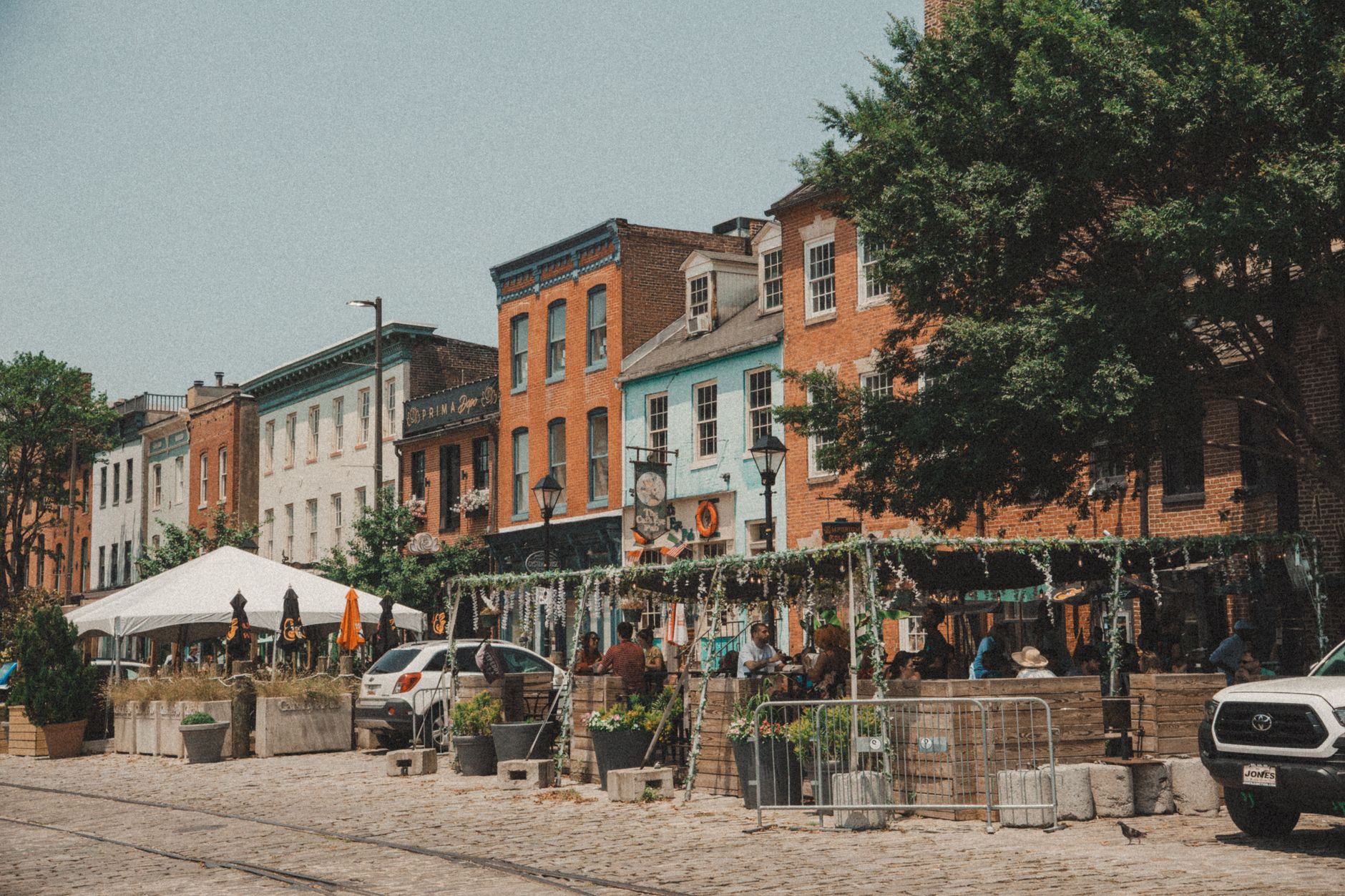
Baltimore’s festival culture is shedding its reliance on massive, centralized tourism magnets in favor of hyper-local street gatherings that reflect the city’s shifting demographics and creative economy. Where decades ago the city’s identity was tied to massive promotional events, the current landscape favors the authenticity of neighborhood-led programming.
This transition marks a departure from the mid-20th-century model of civic planning. For decades, the focus centered on transforming the Inner Harbor into a premier venue, prioritizing events that aimed to draw regional visitors. Today, local organizers are pushing resources into long-standing corridors, including the arts districts of Station North and the historic facades of Fells Point, re-centering the focus on those who actually reside in the city.
The Shift to Neighborhood Ownership
Historical records from the Baltimore Office of Promotion & The Arts indicate that early municipal efforts were designed primarily for economic revitalization of the downtown core. The evolution of events like the Fells Point Fun Festival, which began as a small effort to prevent the demolition of historic waterfront properties in the 1960s, serves as a blueprint for the current move toward community-owned celebrations.
Organizations like the Creative Alliance and the Greater Baltimore Cultural Alliance have moved from the periphery to the center of this cultural shift. By fostering programs that prioritize local artisans over commercial vendors, these groups have altered the way the public experiences public space. Venues such as The Senator Theatre and the outdoor stages at Patterson Park now host events that emphasize local storytelling and regional craftsmanship.
Measuring the Impact of Civic Participation
Data regarding the impact of these events has become increasingly sophisticated. According to reports published by the Baltimore City Department of Planning, the city currently issues thousands of special event permits annually, though the geographical distribution of these gatherings has widened significantly since the 1990s. While historical budgets were once funneled exclusively through centralized city agencies, modern funding models often involve a blend of private sponsorship and community-led fundraising efforts.
Residents interested in engaging with the current scene should look toward the ongoing schedule of neighborhood block parties and the seasonal arts showcases that now define the summer calendar. As these events continue to evolve, the emphasis remains on accessibility. Visitors and locals alike can find updated schedules through the city’s primary cultural portals, ensuring that even as the scale of events changes, the connection to Baltimore's history remains visible on every corner.