lifestyle
Baltimore's Independent Restaurants Transform the City's Culinary Scene
From Fells Point to Mount Vernon, the city's food scene is shifting toward independent concepts and hyper-local sourcing as dining habits change.
Listen in English · 3 min
How we reported this
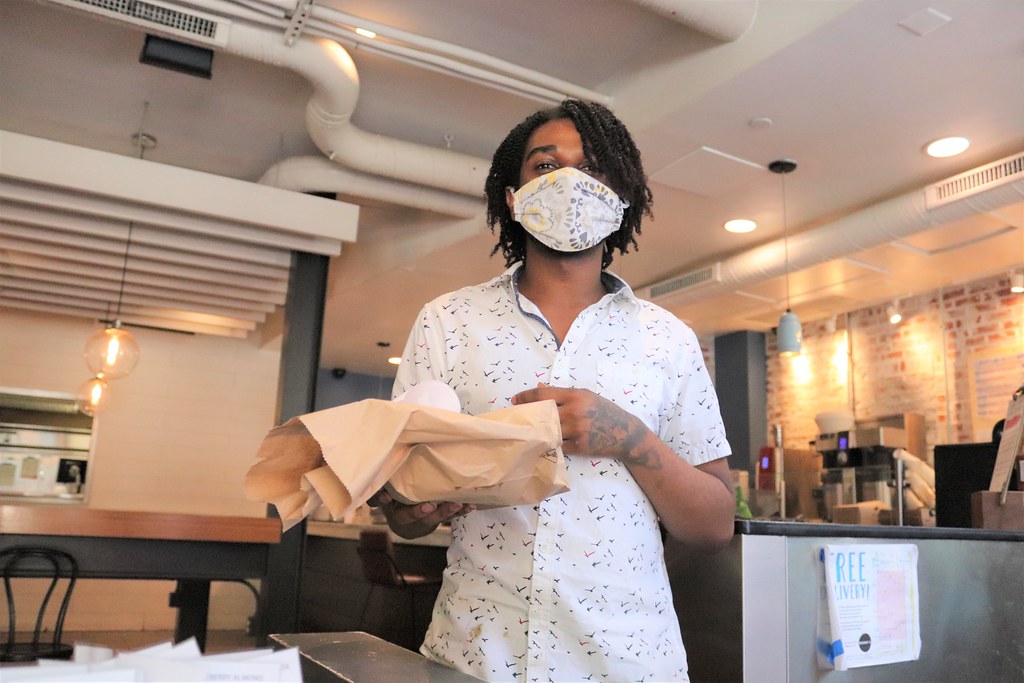
Baltimore’s restaurant industry is undergoing a structural transition as chefs and owners move away from traditional models in favor of streamlined, neighborhood-focused kitchens. Throughout 2026, the city has seen a marked shift where long-standing institutions are being joined by smaller, agile ventures that prioritize direct supply chains over high-volume dining.
The Shift to Neighborhood-Centric Concepts
The culinary pulse of the city is currently centered on how traditional corridors like Thames Street in Fells Point and Charles Street in Mount Vernon are adapting to changing consumer demand. Establishments such as The Helmand in the Mount Vernon neighborhood remain fixtures of the cultural fabric, but new operators are now opting for intimate storefronts that allow for tighter control over inventory and staffing. This evolution reflects a broader trend in metropolitan dining where smaller footprints are becoming a strategy to mitigate the rising costs of labor and logistics that have challenged the hospitality sector globally.
Economic data from the Maryland Department of Commerce indicates that small business investment in the food and beverage sector remains active across Baltimore City. While the broader global economy deals with the volatility seen in regions like Venezuela or the Middle East, Baltimore’s local dining scene has maintained a steady trajectory of growth. Recent tax and business permit records show that permit applications for food service establishments in the Baltimore metropolitan area have risen, suggesting that entrepreneurs continue to see the city as a viable market for culinary experimentation.
Adapting to a Changing Market
For diners, this evolution is best observed in the way menus are becoming more seasonal and localized. Places like Woodberry Kitchen are continuing to refine their approach to the farm-to-table model that helped define the city's modern identity. Meanwhile, the revitalized corridors around the Inner Harbor are seeing a higher concentration of pop-up-style operations that share kitchen space to keep overhead costs sustainable. This shared-resource model is enabling a younger generation of chefs to enter the market without the necessity of securing long-term, high-cost commercial leases.
Looking ahead, residents and visitors should expect more menu flexibility as restaurants shift their offerings based on regional supply availability. Practical advice for those planning to navigate this current scene is to favor smaller, independent venues that publish their daily or weekly menus online. By keeping a close eye on the social media presence and websites of staple locations, diners can better anticipate the nightly changes in offerings that have become a hallmark of the city’s evolving approach to service.