lifestyle
Active Senior Living in Baltimore: Federal Hill's Quiet Boom
Federal Hill transforms from party district to retirement hub. Discover why Baltimore's walkable neighborhoods are attracting active seniors seeking culture, community, and transit access without the golf cart lifestyle.
How we reported this
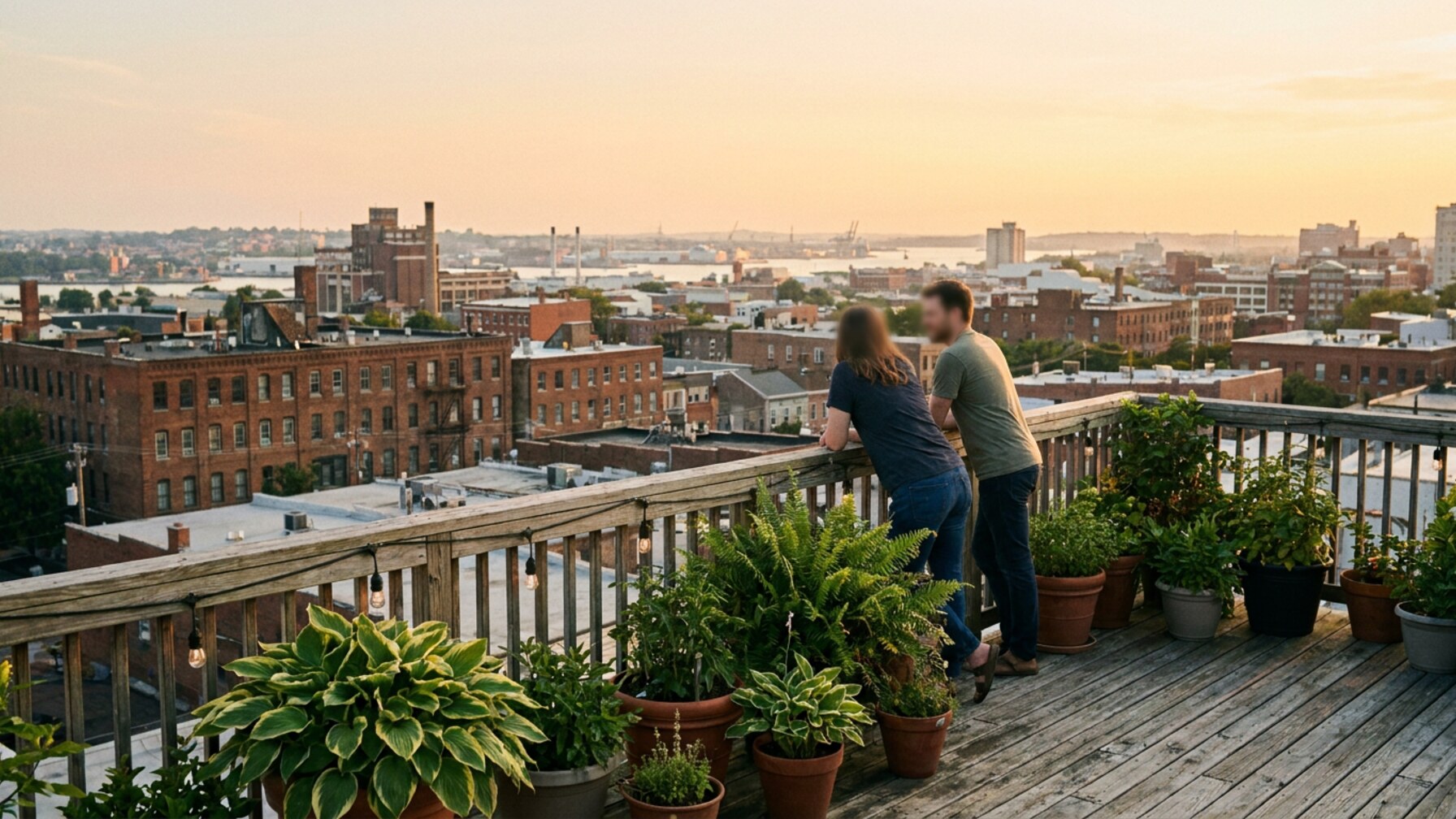
Federal Hill’s rowhouses used to echo with the bass of rooftop bars. Now, on any given Tuesday morning, you’ll find retirees doing tai chi in the park and discussing the latest Broadmead lecture series over lattes at Ceremony Coffee on Light Street. The neighbourhood is in the middle of a demographic shift that’s rewriting the rules of what retirement looks like in Baltimore.
The change matters because the city’s over-65 population grew by 14 percent between 2020 and 2025, according to the Baltimore Metropolitan Council. Meanwhile, the number of new housing units marketed specifically to active seniors, defined as no nursing care, but with single-level living and proximity to transit, has tripled in that same period. Federal Hill, long associated with the post-college crawl along Cross Street, is absorbing much of that demand.
A Walkability Dividend
Retirees are trading lawn care for a 10-minute walk to the Maryland Science Center or a Saturday morning at the Cross Street Market. The newly revamped market, which completed its $10 million renovation in 2023, now has a dedicated seating area popular with senior book clubs and the weekly “Silver Sneakers” group that meets at the YMCA on Covington Street. The market’s manager told The Daily Baltimore the number of regular shoppers aged 62 and older has doubled since 2021.
Real estate data from Long & Foster shows the median sale price for a two-bedroom rowhouse in Federal Hill hit $385,000 in June 2026, up 8 percent year-over-year, but still $115,000 below the citywide average for newly built senior-oriented condos in Harbor East. Developers have taken notice. The 100-unit “Cross Street Residences” building, which opened in April at 1110 Cross Street, sold all of its ground-floor units within two months. Seventy percent of those buyers were over 60, according to the developer, Southern Management Corporation.
The city’s Department of Planning is also testing a new “Age-Friendly Federal Hill” pilot program, a series of crosswalk upgrades and bench installations along Charles Street and Key Highway, funded by a $1.2 million federal grant announced last October. The first phase includes curb ramps at four intersections and synchronized crossing signals at the intersection of Light and Hamburg streets, a bottleneck that locals have complained about for years.
From Quiet Neighbourhoods to Social Hubs
What’s emerging is a model of retirement that looks less like a gated community and more like a European square. The neighborhood council reports that membership in the Federal Hill Neighborhood Association has jumped from 180 households in 2020 to 340 today, with nearly half of those new members being residents over 60. They’re organizing lecture series at the Pratt Library branch on William Street, weekly walking tours of the historic district, and a monthly “Tech for Seniors” workshop run by volunteers from the Johns Hopkins Bloomberg School of Public Health.
That’s not to say the transition is seamless. Some longtime residents worry that rising property values are squeezing out young families and service workers. The neighborhood lost its last hardware store in May when Hardware Depot on Fort Avenue closed after the landlord tripled the rent. And parking, already a sore spot, has gotten worse as more seniors bring cars they seldom use. The city’s parking authority says it’s studying a residential permit expansion for the area, but no timeline has been set.
Still, the numbers suggest the shift has momentum. A 2025 survey by the Baltimore City health department found that 82 percent of older adults in Federal Hill rated their neighbourhood as “highly walkable,” compared to 54 percent citywide. The same survey found that 41 percent of Federal Hill seniors said they moved there from another part of Baltimore specifically to be near parks or public transit.
What Happens Next
For retirees considering the move, the key is to act early. Inventory remains tight, as of July 1, there were only 14 active listings in Federal Hill under $450,000. Real estate agents recommend working with a buyer’s agent familiar with the senior-oriented floorplans at places like the recently converted “Calvert House” rental building at 1200 Light Street, which now designates a third of its units as “age-in-place” apartments with grab bars and zero-step entries.
Baltimore’s retirement landscape is changing fast. Federal Hill is proving that the best place for an older adult isn’t always quiet, sometimes it’s right in the middle of everything.