news
Baltimore Schools Navigate Critical Decisions Shaping System's Future
With key policy debates ongoing, Baltimore’s education system prepares for pivotal decisions shaping its future.
How we reported this
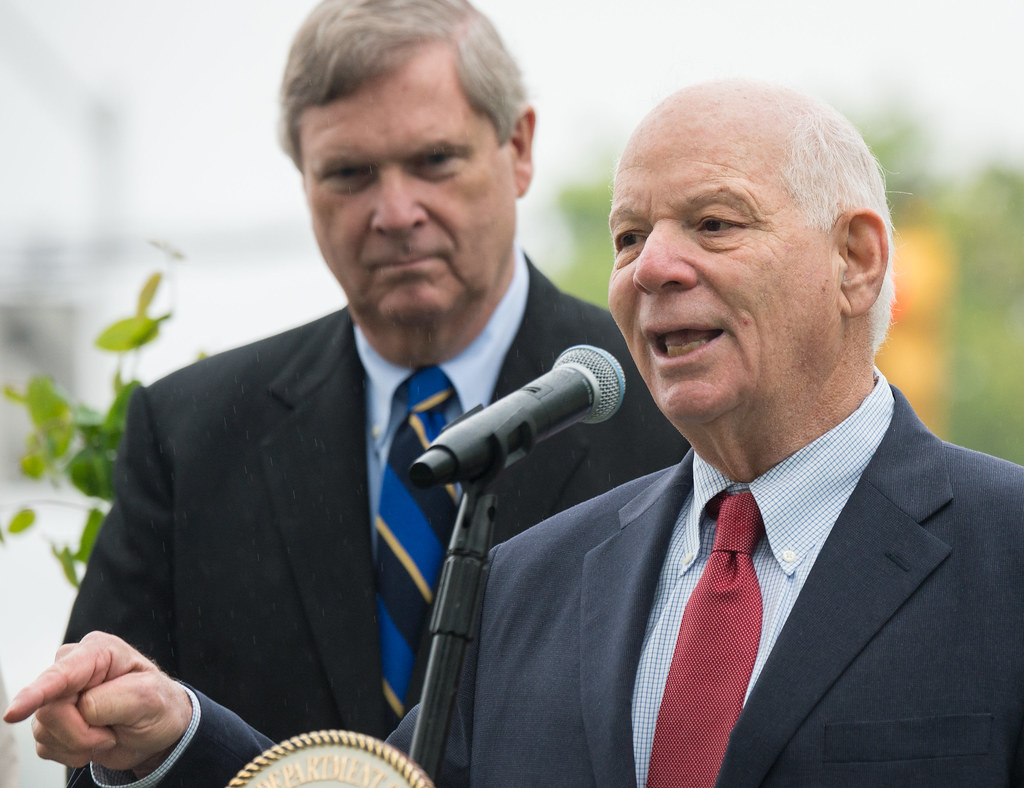
Baltimore’s education leaders stand at a crossroads as discussions intensify over the city’s academic priorities and resource allocation. The next phases in educational policy and administration will heavily influence learning environments and student outcomes across the city.
Why This Matters Now
The timing of Baltimore’s education deliberations coincides with mounting pressures on urban school districts nationwide, emphasizing equity, safety, and academic rigor. Local stakeholders-including Baltimore City Public Schools officials, parents, and community groups-are closely monitoring potential changes as they seek clarity on what support and reforms will reach classrooms in coming months.
Local Context and Stakeholders
Baltimore City Public Schools, the primary district serving tens of thousands of students across neighborhoods from Sandtown-Winchester to Fells Point, is central to these considerations. Community centers and parent associations in areas like Highlandtown and Canton are deeply invested in outcomes that affect access to advanced coursework and extracurricular opportunities. Meanwhile, workforce development initiatives tied to local institutions also have an interest in how the education pipeline evolves.
Evidence and Community Voice
Although no recent specific statistics or policy announcements have been released in the sources consulted, qualitative indications suggest a broad consensus on the necessity for actionable decisions that address disparities. There is an undercurrent of urgency to ensure investments lead to improved educational access and quality, especially in historically underserved neighborhoods.
The discussions underway reflect uncertainties that are common in many large cities. They focus on how best to balance limited budgets with rising demands for technology upgrades, mental health services, and teacher retention strategies. Public forums and school board meetings have been arenas where diverse viewpoints about priorities continue to play out.
What Happens Next
The months ahead will require Baltimore’s education officials to navigate difficult choices around funding allocation, program expansion, and policy reforms. Practical steps could involve increased community engagement initiatives and transparent progress updates to maintain public trust. Stakeholders should expect ongoing dialogue about how to sustain improvements and whether new strategic plans will emerge to meet pressing challenges.
For families and educators, staying informed through official Baltimore City Public Schools communications and participating in local meetings will be paramount. Observing how national and regional trends influence these local decisions will also be key for those invested in the city’s educational future.