news
Baltimore Residents Expose Education Crisis Facing Local Schools
Residents and families share their experiences amid ongoing changes and debates in Baltimore's educational landscape.
How we reported this
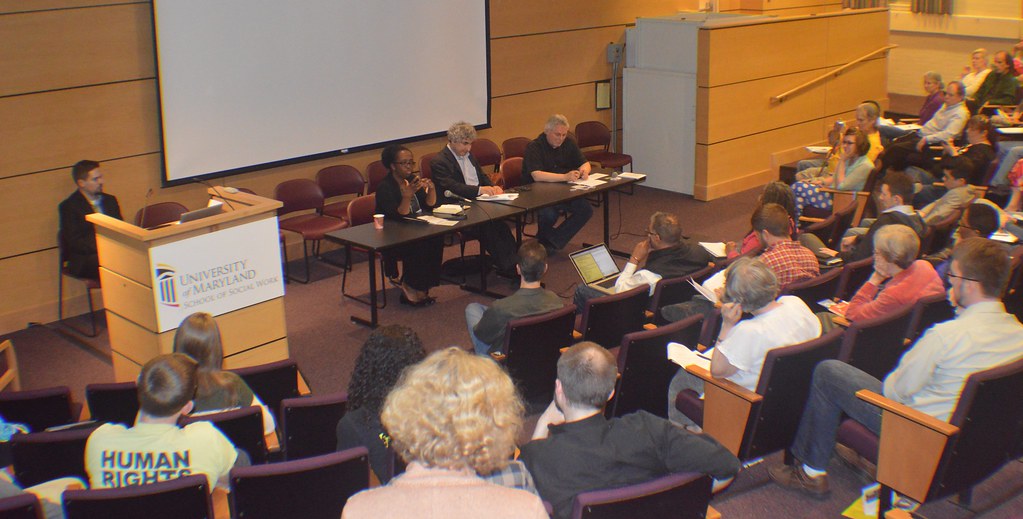
Baltimore residents across neighborhoods are speaking out about the state of education in the city, expressing concerns and hopes as local schools continue to navigate challenges. While no single new policy or event anchors the discussion, community members emphasize issues like resource gaps, classroom conditions, and engagement with families.
Why Education Debates Resonate Now
The attention on Baltimore's education system comes amid nationwide discussions about school funding, access, and equity. Baltimore's public schools often face scrutiny over achievement gaps and infrastructure needs. This ongoing dialogue reflects a broader demand from families for improvements that directly affect students' day-to-day experiences and future opportunities.
Local neighborhood groups and parent organizations have become increasingly vocal, seeking more direct communication with school administrators and city officials. Issues raised include the adequacy of extracurricular programs, renovation of aging school buildings, and support for teachers.
Community Perspectives from East and West Baltimore
In East Baltimore, parents participating in local advisory councils describe navigating complicated registration processes and uneven access to advanced learning programs. Meanwhile, community leaders on the city's West Side highlight the importance of after-school initiatives but note that funding cuts often limit sustainability.
Across Baltimore, families appreciate the dedication of teachers but underscore chronic challenges such as overcrowded classrooms and inconsistent transportation services. These realities vary from school to school, reflecting the diverse urban fabric of the city.
While city officials have not announced major policy shifts recently, ongoing collaboration between schools, nonprofits, and neighborhood associations continues. This grassroots involvement remains critical as city education authorities work toward improving both educational quality and infrastructure.
Residents urged fellow Baltimoreans to stay engaged with local school boards and community meetings to influence decisions that affect their children’s education directly. Civic participation and open dialogue remain essential as the city moves forward in addressing educational needs.