news
Baltimore Leaders Make Critical Decisions Shaping City's Economic Recovery Path
As local leaders confront ongoing economic challenges, critical choices loom that will determine Baltimore’s recovery and future growth.
How we reported this
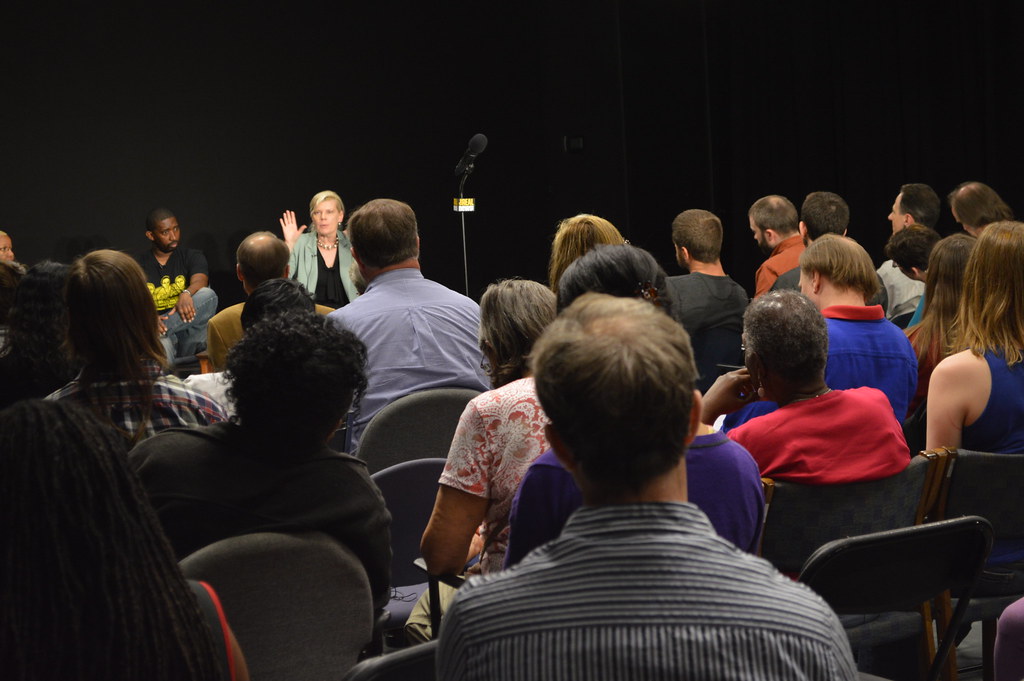
Baltimore’s economy stands at a crossroads as city officials and business leaders weigh options amid shifting national and international pressures. While there is no recent hard data on local economic performance in the citable inputs, it is clear from the broader economic landscape that Baltimore faces significant strategic decisions to steer its economic future.
Why the Timing Matters
National and global uncertainties, including tense geopolitical developments impacting trade routes and energy supplies, ripple down to Baltimore’s economy, whose strength depends on port activities, manufacturing, and service industries. Baltimore’s position as a key East Coast port city means that disruptions in global trade, such as conflicts in Middle Eastern waterways, can affect shipping volumes and associated local jobs. At the same time, the city’s recovery efforts following the economic disruptions of recent years require clear policies to seize opportunities for growth while managing risks.
Local Dynamics and Decision Points
Within Baltimore, the South Baltimore waterfront and the Port of Baltimore remain focal points for economic activity, with their role in domestic and international trade critical to the city’s prosperity. Meanwhile, redevelopment projects in neighborhoods like Fells Point and Federal Hill continue to attract investment, though the city’s overall economic health depends on balancing such development with job creation across sectors.
City leaders must decide how best to allocate resources to support small businesses still recovering from past interruptions, while also investing in infrastructure and workforce training. Programs aimed at enhancing skill development and expanding tech and green economy jobs have potential but require sustained commitment. Additionally, collaborating with regional partners to ensure supply chain resilience and capitalizing on federal and state funding streams will be vital.
Given the lack of new Baltimore-specific economic numbers in the public sources, qualitative indicators suggest that uncertainty in global markets and shifts in supply chains continue to impact business confidence locally. Addressing housing affordability and workforce accessibility are also intertwined challenges that will influence economic outcomes.
Moving forward, Baltimore stakeholders will focus on careful strategic planning, weighing short-term pressures against long-term growth strategies. Keeping open lines of communication between government, business, and community groups will be essential to align priorities and respond agilely to unfolding economic conditions. For Baltimore residents and businesses, staying informed through city economic forums and engaging in local initiatives may provide avenues for contributing to and benefiting from the city’s economic decision-making processes.