news
Baltimore School Changes Hit Families' Routines, Costs, Neighborhood Stability
Shifts in local schooling affect family routines, neighborhood stability and daily costs for people who live and work in the city.
How we reported this
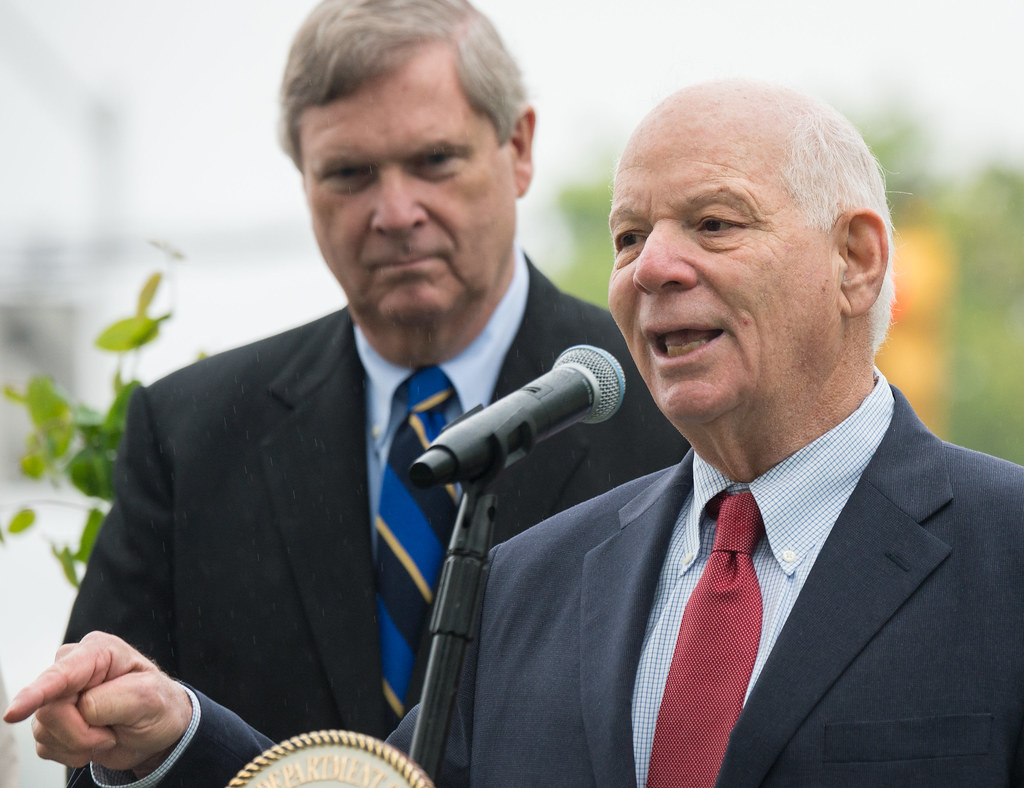
Baltimore residents continue to track education updates because these adjustments touch household budgets, work schedules and the overall feel of blocks throughout the city.
The timing stands out now as families balance rising living expenses with decisions about where children attend classes and how those choices shape access to nearby services. Education decisions in the city influence more than test scores. They connect to questions of safety on streets, availability of after-school options and the strength of local businesses that rely on steady foot traffic from parents and students.
Daily Pressures on Households
Parents who drop children at schools before heading to jobs in downtown offices or port facilities often rearrange shifts when schedules change. This ripple reaches neighborhoods where residents depend on consistent routines to manage childcare and transportation. When class offerings or start times shift, some households face added costs for extended care or altered commute patterns that cut into paychecks already stretched by local housing and grocery prices.
Community groups that run tutoring or meal programs tied to school calendars also feel the effects. Volunteers and staff adjust their own availability when student participation patterns move. These adjustments matter in areas where schools serve as central gathering points for evening activities and weekend events that keep blocks connected.
Longer-Term Effects on City Blocks
Over time, the quality and stability of schooling options influence whether families stay in a neighborhood or look elsewhere. Property values and small-business viability often track with perceptions of nearby schools. Residents who own homes or rent in established sections of the city watch these trends because they affect everything from insurance rates to the mix of shops that can survive on local spending.
City leaders and school administrators have noted ongoing discussions about resource allocation and program priorities. Those conversations occur against a backdrop of broader urban development efforts that aim to keep young people engaged and prepared for work in growing sectors around the harbor and technology corridors. The outcomes shape the pipeline of future workers and the social fabric that holds diverse communities together.
Families seeking the latest details can review updates posted on the Baltimore City Public Schools site or contact their local school directly for information on enrollment and support services. Checking these channels regularly helps residents plan around any adjustments that affect their immediate surroundings.