news
Baltimore Officials Execute New Fiscal Plan, Opioid Fund Rules After Council Vote
City agencies must now execute the new fiscal plan, opioid fund rules, downtown strategy and departmental review approved in recent days.
How we reported this
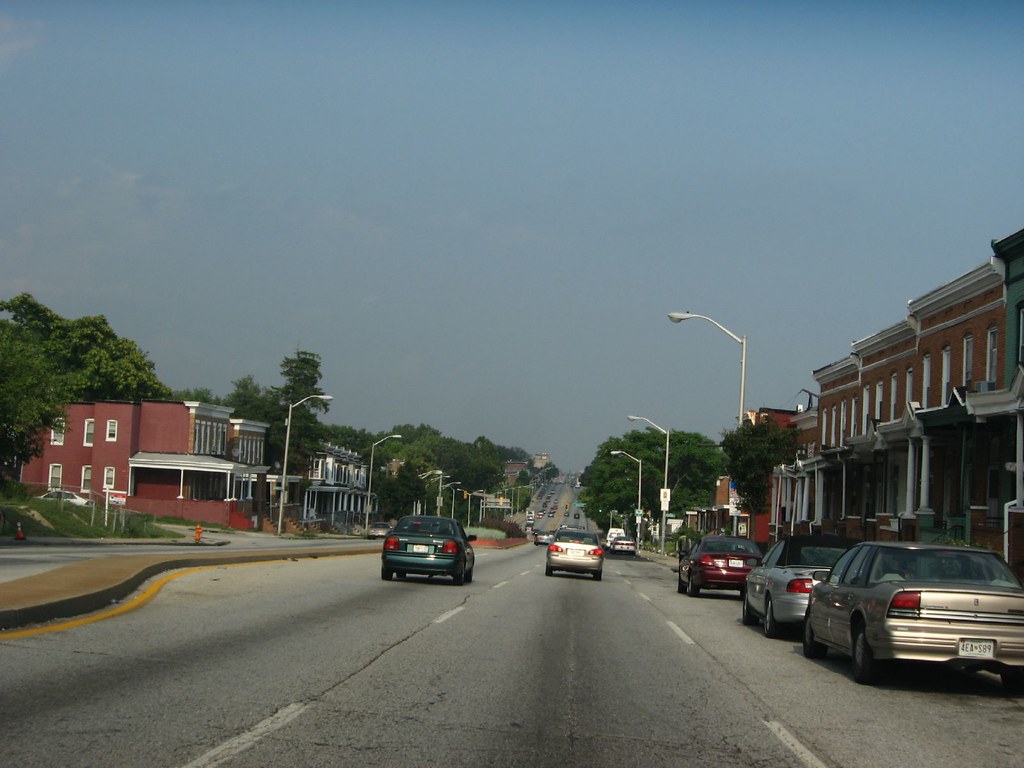
The Baltimore City Council approved a $4.6 billion FY2026 budget on Monday in a 13-2 vote that directs money toward migrant communities, vacant housing reduction and traffic projects. Mayor Brandon M. Scott signed the measure shortly afterward. At the same time, the mayor issued an executive order that sets up oversight for $242.5 million in opioid restitution funds and sent $20 million immediately to the Health Department.
These steps come as the city must decide how to spend and manage the approved resources over the next twelve months. The budget allocations require agencies to issue contracts and hire staff for the designated programs. The opioid order requires the formation of a governance board that will review applications for the remaining funds.
Master Plan and Contract Shifts Require Phased Rollout
Mayor Scott also released the 10-year Downtown RISE Master Plan, which calls for restoring Red Line transit service, upgrading the Baltimore Convention Center and redesigning the downtown street grid through 2035. City staff must now prepare environmental reviews and secure state and federal matching dollars for the first projects. Separately, officials intend to end the contract with the Baltimore Office of Promotion and the Arts by using the 90-day termination clause and move core services inside city departments.
The Department of Housing and Community Development and the Department of Planning will undergo a six-month study led by nominees Tim Keane and Renata Southard. That review could produce a merger recommendation with an effective date of March 2, 2026. Staff in both departments must continue daily permitting and housing inspections while participating in the study sessions.
Next Steps Center on Staffing and Contracting Timelines
City agencies will begin drafting requests for proposals tied to the budget items and the opioid settlement governance structure in the coming weeks. The master plan projects will require coordination with state transportation officials on Red Line work. The BOPA transition and the two-department study will each need internal task forces to map service handoffs and potential staff reassignments. Officials have not announced public hearing dates for these follow-up actions.