news
Baltimore Budget and Planning Moves Target Everyday Resident Pressures on Housing and Services
Council approval of a $4.6 billion spending plan and new rules on vacant properties aim to stretch city resources without property tax increases.
How we reported this
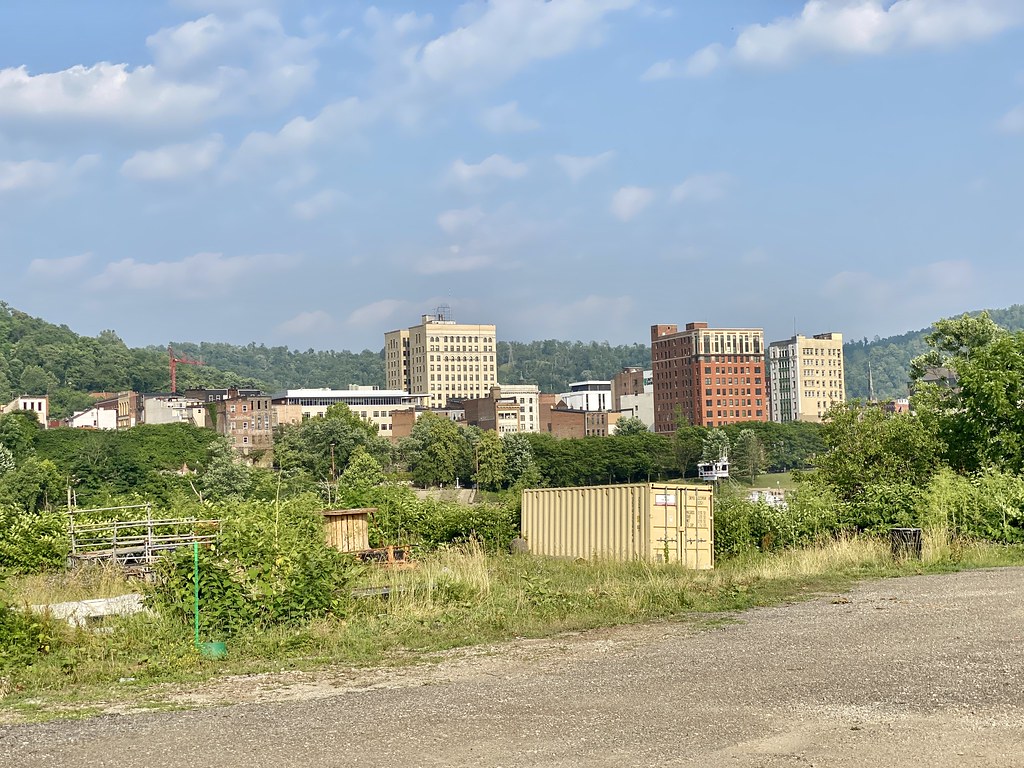
The Baltimore City Council passed a $4.6 billion fiscal year 2026 budget in a 13-2 vote that raises fines and fees by nearly $7 million to close an $85 million deficit while avoiding any increase in property taxes. The measure directs money toward migrant communities, vacant housing reduction and traffic projects. Mayor Brandon M. Scott followed with an executive order that sets up oversight for $242.5 million in opioid restitution funds and sends $20 million right away to the Baltimore City Health Department for crisis response.
These steps arrive as the city also released its 10-year Downtown RISE master plan, which calls for transit upgrades including the Red Line, new housing investments and street grid redesigns. Major construction phases are scheduled to begin in 2026 and continue through 2035. Residents in downtown neighborhoods may notice changes in how streets connect and how new housing is added over the coming decade.
Housing rules and department shifts
Mayor Scott signed legislation that raises taxes on vacant properties to three to four times the standard rate. He also proposed a Tax Increment Financing district that would use $65 million in bonds to turn vacant houses into affordable homes. At the same time the city announced leadership changes at the Department of Housing and Community Development and the Department of Planning, with Tim Keane nominated as Housing Commissioner and Renata Southard as Planning Director effective March 2, 2026. A possible future merger of the two departments is under discussion.
The Mayor's office also limited the Office of Inspector General's direct access to personnel, medical and financial records to follow state confidentiality rules, effective immediately. These adjustments affect how city agencies track spending and enforce property rules that touch daily costs for homeowners and renters alike.
Tracking the effects on city services
The budget and related orders together address an $85 million shortfall without touching property tax rates, instead relying on higher fines, fees and targeted allocations. The immediate $20 million release to the Health Department and the longer-term Downtown RISE timeline give residents concrete points to watch for changes in health response capacity and downtown access. The vacant-property tax increase and TIF proposal focus resources on converting empty buildings rather than new construction from scratch.
City documents posted at baltimorecity.gov and related announcements outline how these measures will roll out. Residents can follow updates on the Health Department allocation and the start of Downtown RISE construction phases through official city channels to see direct effects on local services and neighborhood conditions.