news
Baltimore's Economic Struggles Force Hard Choices for Thousands of Residents
Job shortfalls and rising costs continue to affect households across the metro area.
How we reported this
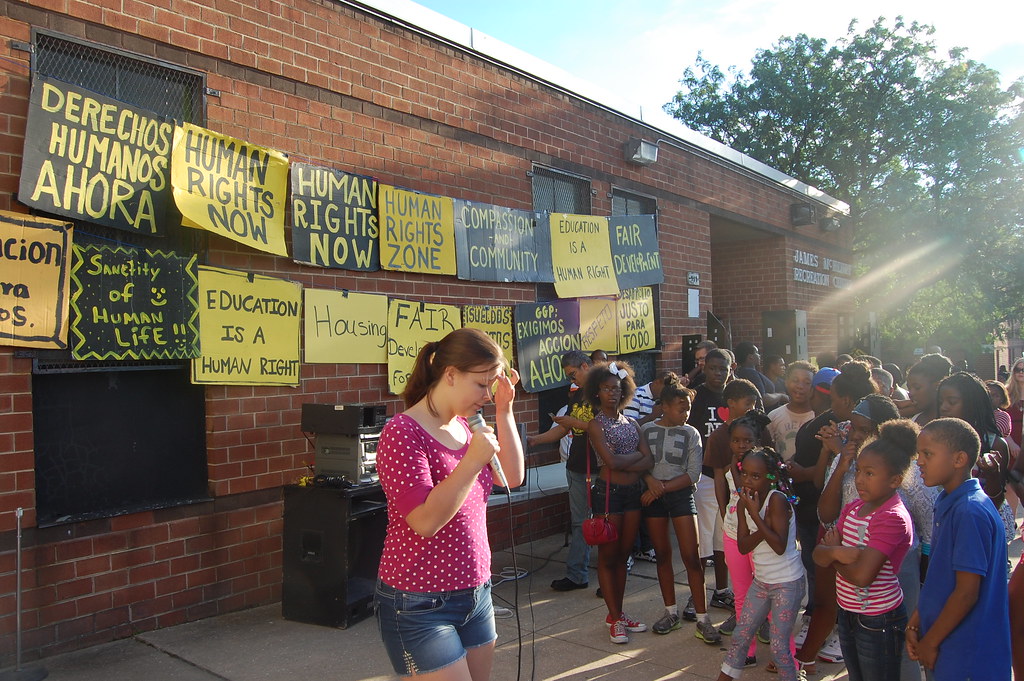
Baltimore's metro area posted the slowest job growth in the DC-Baltimore-Richmond corridor over the past five years and sits 0.9 percent below its early 2020 employment level, representing about 13,000 fewer jobs. This shortfall directly limits income opportunities for residents who rely on steady local work to cover housing, groceries and other essentials.
Employment Shortfalls and Household Finances
Total employment in Maryland fell sharply in 2025 after federal job reductions. Modest gains of 6,800 jobs, or 0.2 percent, arrived in the first quarter of 2026 yet still left overall employment below the same quarter in 2025. Baltimore recorded GDP growth of only 0.2 percent, ranking 392 out of 411 metropolitan statistical areas, and job growth of 0.5 percent, ranking 242 out of 411, as of January 2026. These figures reduce the number of available positions and slow wage gains that families use to meet rising expenses.
Inflation Pressures on Everyday Spending
Inflation in the Baltimore metro area rose 3.6 percent from April 2025 to April 2026, just under the national average of 3.8 percent. Higher prices for food, fuel and other necessities stretch budgets already constrained by fewer jobs, leaving less room for savings or unexpected costs that many households face each month.
Food Insecurity Trends Among Residents
Nearly 58 percent of Black Baltimore-area residents experienced food insecurity in 2025, up from 38 percent in 2024. Households earning under $30,000 annually faced roughly 75 percent food insecurity. These rates show how employment and price trends translate into concrete challenges at the grocery store and kitchen table for a large share of the community.
Local organizations that track these indicators expect continued monitoring of employment data and price reports to understand longer-term effects on residents. Families can check community assistance programs for support with food and job resources while the broader picture develops.
References Sourced but Not Limited to:
- greaterwashingtonpartnership.com · Regional economic snapshot spring 2025
- commerce.maryland.gov · Baltcitybef
- baltimorecountymd.gov · Documents
- pnc.com · PNC Regional Economics Analysis Baltimore January 2026
- eml.berkeley.edu · Baltimore city MD
- dashboards.marylandtaxes.gov · Economic snapshot
- en.wikipedia.org · Baltimore