Politics
Baltimore City Council Passes 2026 Transit Access Ordinance, Cutting Commute Times for East Side Residents
The ordinance adds three new bus routes and extends service hours on existing lines, directly changing daily travel costs and job access for riders in specific Baltimore neighborhoods.
How we reported this
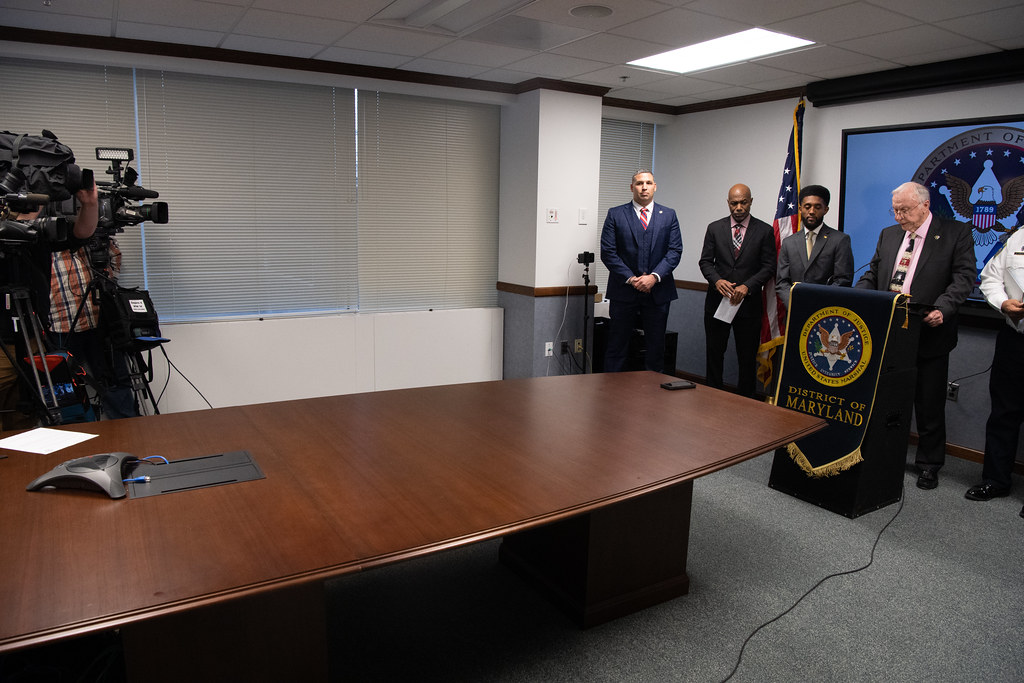
The Baltimore City Council approved the 2026 Transit Access Ordinance by a 10-4 vote on July 7, expanding MTA bus service with three new routes and later evening hours on four existing lines. The measure targets zip codes 21223, 21216 and 21217, where current service gaps force many residents to transfer multiple times or rely on rideshares.
The ordinance responds to a March 2026 MTA ridership study that showed 28 percent of East Baltimore commuters miss shifts due to limited evening options. Council members cited the city's 2025 transportation plan as the basis for the vote, which reallocates $4.1 million from the general fund to cover added operating costs through the end of fiscal year 2027.
Effects on daily travel and job access
Workers in Sandtown-Winchester will gain a direct route to the Johns Hopkins Bayview campus, cutting one-way travel from 55 minutes to 32 minutes on average. Residents near Cherry Hill will see the No. 27 line extended until 1 a.m., removing the need for a 45-minute walk after late shifts at the port. Families using the new stops near North Avenue will face lower out-of-pocket costs since the routes fall under the existing $2 base fare.
The legislation states that route planning must prioritize areas with at least 12,000 households below 60 percent of area median income. City transit planners project 7,200 additional daily boardings once the routes launch in October, based on current demand patterns in those census tracts.
Next steps for rollout
The Department of Transportation will issue requests for proposals for new buses by July 22, with contracts expected to be awarded by September. MTA has scheduled public meetings in the affected neighborhoods during the first week of August to finalize stop locations. Service changes will appear on the MTA website and app by September 15.