property
Baltimore Investors Report Strong Returns From Targeted Property Renovations
Targeted upgrades in Baltimore properties continue to deliver measurable gains for investors focused on older stock in core neighborhoods.
How we reported this
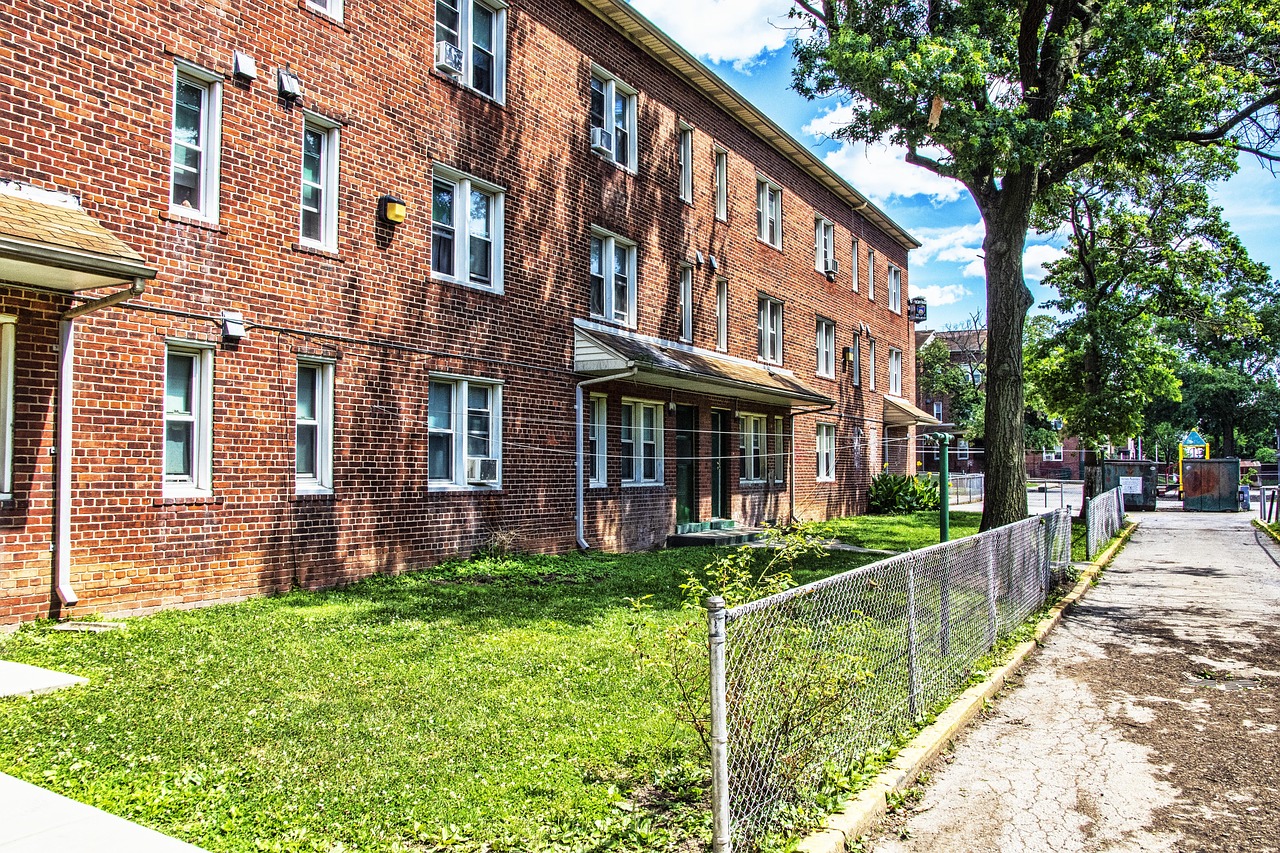
Baltimore investors who completed renovations on rowhouses in the past year report stronger cash flow after accounting for upgrade costs and current rental rates.
The timing aligns with broader pressures on the housing market. Interest rates have stayed elevated through mid-2026 while construction material prices remain above pre-2024 levels, pushing buyers toward fixer-uppers rather than new builds. Local data from the Baltimore City Department of Housing and Community Development shows permit activity for residential rehabs holding steady into the second quarter.
Neighborhoods drawing investor attention
Properties along Fleet Street in Canton and the blocks around Patterson Park have seen repeated investor purchases followed by kitchen and bath updates. The Baltimore Development Corporation has tracked applications for its facade improvement matching grants in these areas, with several projects wrapping up work in spring 2026. Nearby, the Station North Arts District has attracted similar activity on North Charles Street, where older commercial-residential conversions are being repositioned for higher rents.
These locations sit within walking distance of established transit stops and retail corridors, reducing vacancy risk for owners who finish work quickly. Investors cite the ability to complete projects in under four months when permits move through the city review process without delay.
Tracking the financial outcomes
City assessment records released in early 2026 list average post-renovation values for two-story rowhouses in these zones that exceed pre-work purchase prices by amounts sufficient to cover typical upgrade budgets. The Maryland Department of Assessments and Taxation database shows the pattern holding across multiple transactions closed between January and June. Investors who keep detailed cost ledgers report that focusing on mechanical systems and finishes rather than full gut jobs produces the clearest margin after holding costs.
Those entering the market now should review current permit turnaround times through the city’s online portal and consult the latest round of neighborhood-specific rehab guidelines issued by the Department of Housing and Community Development. Checking comparable rental listings on the same block before finalizing scopes of work helps set realistic income projections ahead of closing.
This article is general information only and is not personal financial or investment advice. Consider your own circumstances and seek licensed professional advice before making financial decisions.